The Biggest Packaging Challenges for Dairy Producers
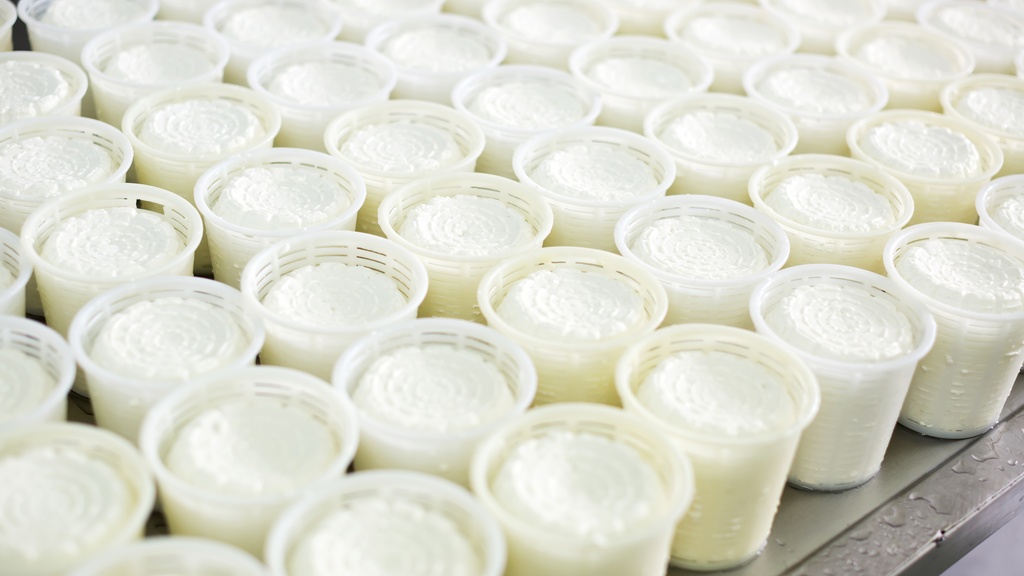
Dairy plants work inside a narrow margin for error. Milk, yogurt, cheese, cream, and cultured products move through production on strict timelines. Packages must protect quality, support sanitation, carry the right labeling, and reach stores without delay.
When packaging falls behind, the problem does not stay at the end of the line. It can slow filling, create rework, strain labor, and put shipping schedules at risk. This reality shapes the biggest packaging challenges for dairy producers today. Below, we’ll examine these issues more closely and offer useful solutions for dairy producers.
Packaging Must Keep Pace with Perishable Products
Dairy differs from many other packaged goods because time matters at every stage. Producers do not have the luxury of letting the finished product sit while teams troubleshoot manual case packing or rebuild unstable pallets. A slowdown in packaging can back up the line quickly, especially when products move in high volume or when plants run multiple SKUs in a single shift.
Short shelf life raises the stakes
Perishable products force packaging decisions into a tighter window. A damaged seal, a weak case, or a mislabeled container can trigger rework that consumes valuable time. In dairy, that delay can affect freshness targets, dock schedules, and retailer commitments all at once.
Packaging is not just a finishing step. It is part of the product’s ability to move safely and profitably through distribution. FDA guidance frames milk safety as a chain that extends through processing and packaging, which helps explain why packaging failures carry outsized consequences in dairy.
Cold chain pressure never lets up
Dairy products also demand consistent temperature control. That means the package must protect the product while allowing quick, orderly movement through refrigerated storage and transport. If packaging errors delay staging or loading, the cold chain comes under more pressure.
Even a simple issue like a poorly stacked pallet can create headaches during handling, storage, and delivery. Dairy supply chains depend on efficient movement across roads, water, and rail, and supply-chain interruptions can reduce reliability and resiliency across the system.
Sanitation and Compliance Shape Packaging Decisions
Consumers may think first about convenience or branding, but one of the biggest packaging challenges for dairy producers is food safety and compliance. The package itself, the environment around it, and the handling methods used on the line all matter.
Hygienic requirements limit room for error
Dairy plants operate under strict sanitation expectations. Packaging equipment must fit those expectations, and plant teams need repeatable processes that reduce contamination risk. Every unnecessary touchpoint creates another chance for mistakes.
That is one reason many processors look closely at line design, equipment guarding, inspection tools, and workflow at the end of the line. Dairy sanitation standards apply throughout production and packaging activities, not just at the filling stage.
Labeling and traceability add complexity
Dairy producers also must get labeling right. Dates, product identity, lot information, and other details must match the product moving through the line. A labeling error can hold up shipments and create traceability problems later.
In fast-moving plants, that makes packaging accuracy just as important as packaging speed. Product dating and proper labeling remain central to compliance and trace-back across regulated food categories.
Labor Gaps Make Manual Packaging Harder to Sustain
Another major challenge comes from staffing. Packaging jobs at the end of the line can be repetitive and physically demanding. When a plant struggles to staff those positions, productivity becomes harder to predict. Supervisors may need to reshuffle workers, extend shifts, or accept slower throughput just to keep product moving.
Labor shortages are one of the emerging issues affecting dairy supply-chain efficiency. In practical terms, that pressure shows up in case packing, pallet building, load wrapping, inspection, and line changeovers. A process that depends too heavily on manual intervention becomes vulnerable when attendance slips or turnover rises.
Repetition creates risk
Manual work also introduces variation. One employee may build a stable pallet while another leaves gaps that cause movement in transit. One shift may keep up with volume while another falls behind.
Those differences can damage products, require rework, and delay trucks. In dairy, where plants need consistency more than heroics, that variability becomes expensive.
SKU Growth and Changeovers Complicate the Line
Consumers buy dairy in many formats now, from family-size staples to single-serve convenience items. That variety helps sales, but it adds packaging complexity. Different case sizes, pack patterns, labels, and pallet configurations force more frequent changeovers. Every changeover creates another moment when a line can lose time or introduce errors.
This is where producers face a hard balancing act. They need flexibility without sacrificing throughput. They need packaging systems that can shift between formats without turning each product change into a minor shutdown.
The line must stay synchronized
A dairy facility does not benefit when one part of production outruns another. Packaging must synchronize with filling, sealing, labeling, and palletizing. If one station drifts, the entire operation feels it.
That is why some producers invest in tighter end-of-line coordination instead of treating packaging as a separate problem. The goal is not simply more machinery. The goal is a smoother flow from finished package to shipment-ready pallet.
Distribution Demands Stronger Secondary and Tertiary Packaging
Primary packaging protects the product directly, but dairy producers also rely on secondary and tertiary packaging to get goods to market intact. Corrugated cases, pallet patterns, stretch wrapping, and load stability all matter. A cup or carton can leave the line in good condition and still arrive damaged if the load shifts during transport.
That challenge grows when producers face tight ship windows and rapid handling. Fast work at the dock can expose weak cases, poor stacking, or inconsistent wrapping. When loads fail, producers absorb the cost through credits, reships, waste, and strained customer relationships.
Why More Producers Focus on End-of-Line Performance
The biggest dairy packaging challenges rarely come from a single dramatic failure. They come from small weaknesses that compound under pressure: a slow case packer, a labeling miss, an unstable pallet, a labor gap, a delayed changeover. Each issue takes time from a schedule that already has very little slack.
That is why more processors look closely at the end of the line. For producers trying to reduce bottlenecks, improve load consistency, and protect shipping windows, end-of-line packaging automation helps dairy processors meet tight deadlines.
Conclusion
For dairy producers, packaging is not a final cosmetic step. It is part of product protection, compliance, labor strategy, and distribution performance. Plants that treat packaging as a core operational function put themselves in a stronger position to move perishable goods on time and in good condition. That is the real challenge, and it is also the real opportunity.