Tips for Lowering the Risk of Accidents Around Your House
Every home contains small safety risks that can lead to serious injuries. Hazards inside and outside the house, including slippery floors, dark walkways, cluttered hallways, and damaged stairs, can pose unnecessary risks to residents and visitors alike.
Families who focus on making improvements can create a safer, more comfortable home environment. Review several tips for lowering the risk of accidents around your house.
Improve Lighting Throughout Your Spaces
Poor outdoor lighting can increase the risk of falls and other preventable injuries. Homeowners should install reliable fixtures that improve visibility for themselves and any guests. For example, when choosing pathway lights for large or long driveways, pick ones that will allow you to see cracks, dips, and drainage areas that you would otherwise miss under the cover of night.
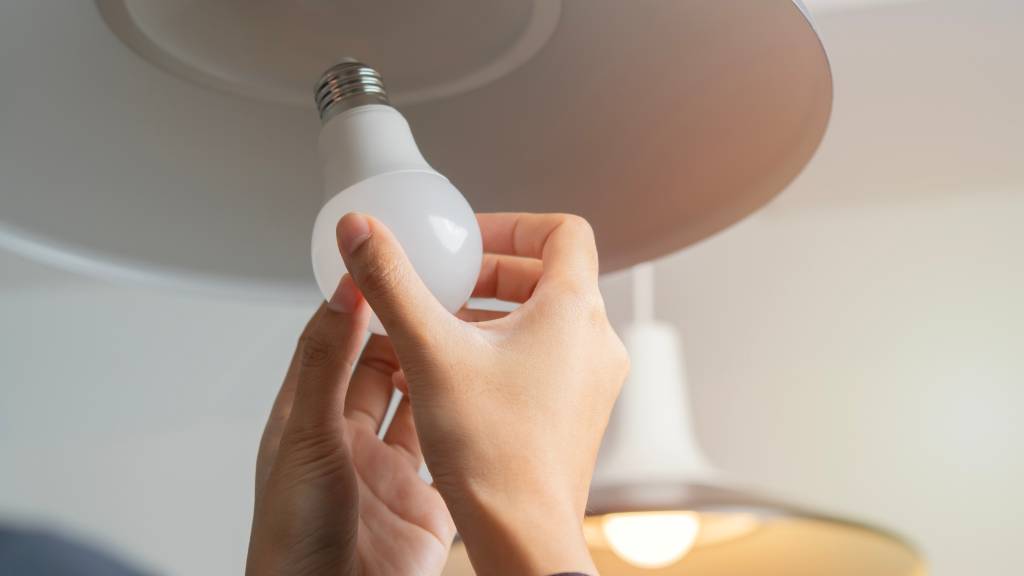
Indoor lighting deserves equal attention because dim hallways and other spaces can create hazards during daily routines. Residents should promptly replace weak bulbs and add lighting to darker corners during evening hours or in severe weather. Bright indoor spaces also help children and older adults move through the home with greater confidence.
Keep Entryways and Hallways Free From Clutter
Another good tip for lowering the risk of accidents around your home is to remove clutter from your entryways and hallways. Busy households collect shoes and bags near entrances because these spaces handle constant foot traffic throughout the day.
Clutter near doors and hallways increases the chance of trips and falls, especially when children run through the house or visitors enter unfamiliar spaces. Families should create dedicated storage zones so walkways remain open and easy to navigate.
Furniture placement also affects household safety because narrow walking areas leave little room for movement during emergencies. Homeowners should avoid placing cords and storage bins along frequently used routes inside the home. Wider pathways help everyone move through the house safely while improving comfort for older adults and guests with mobility concerns.
Address Slippery Surfaces Before Someone Falls
Rain, humidity, and coastal moisture create slippery conditions around homes across the Gulf Coast region. Homeowners should inspect patios, porches, pool decks, and sidewalks because algae buildup and standing water create dangerous walking surfaces. Fortunately, routine cleanings can reduce slick residue while helping exterior materials last longer.
Bathroom floors can also contribute to household injuries when water collects quickly near sinks and tubs. Families should place textured mats near wet areas and encourage children to wipe up spills immediately after bathing. Simple habits reduce the likelihood of slips while keeping floors in better condition.
Your kitchen also deserves equal attention because cooking areas combine water and heavy movement throughout the day. Homeowners should clean spills promptly and avoid loose rugs that slide on tile or hardwood floors. Stable flooring surfaces help residents maintain balance during busy meal preparation times.
Maintain Your Stairs and Handrails
Staircases can become dangerous when homeowners delay small repairs that affect stability and visibility. Loose railings and uneven steps can increase the chance of falls for both children and adults. Residents should inspect staircases regularly because minor issues can worsen quickly with constant use.
Outdoor stairs face additional wear because Gulf Coast weather exposes them to rain, humidity, and changing temperatures. Wooden steps may weaken from exposure to moisture, while concrete surfaces can crack over time. Homeowners who address damage early reduce long-term repair costs while protecting visitors from injuries.
Families should also avoid using stairways as temporary storage areas because shoes and other items can create unnecessary obstacles. Clear staircases improve movement during emergencies while supporting safer navigation for older relatives and young children.
Store Tools and Chemicals With Care
Garages and sheds can contain sharp tools and cleaning products that require careful storage practices. Homeowners should keep these items in secure cabinets or elevated storage spaces because children and pets may access them if left unsecured. Organized storage also makes it easier to locate equipment without creating cluttered work areas.
Lawn care equipment presents another concern because fuel, blades, and electrical components can cause severe injuries. Residents should shut down these tools when they finish projects and store extension cords neatly after each use. Safe storage habits protect family members while extending the lifespan of household equipment.
Additionally, chemical safety is a year-round concern because many products emit fumes or react poorly to heat and humidity. Homeowners should read storage instructions carefully and avoid placing chemicals near food or heat sources. Labeling storage areas also helps family members quickly identify hazardous materials.
Create Safer Spaces for Children and Older Adults
Children move quickly through homes and yards, increasing the risk of accidents. Parents should install safety gates where needed and secure heavy furniture to walls because climbing accidents can lead to serious injuries. Outdoor play areas also need soft surfaces and regular inspections to remain safe for active children.
Older adults face different safety concerns because balance issues and reduced vision can increase the risk of falls around the home. Small adjustments can support their independence while making daily routines more comfortable. For example, families can install grab bars in bathrooms to assist their loved ones.
Pets also affect household safety because toys and feeding supplies can unexpectedly block walkways. Homeowners should keep pet items organized and avoid leaving water bowls in high-traffic areas. Safer home layouts benefit every member of the household, including four-legged companions.
Build Long-Term Habits That Support Safety
Household safety improves when families develop routines that address small risks before they become major problems. For example, monthly inspections can help homeowners identify issues such as damaged flooring that contribute to accidents. Consistent attention creates a safer environment without requiring expensive renovations.
Families should encourage every household member to participate in basic safety habits because shared responsibility strengthens prevention efforts. Children can learn to return toys to storage areas while adults monitor maintenance tasks throughout the property. Teamwork keeps homes more organized and reduces avoidable hazards.
Make a Meaningful Difference
Creating a safer home does not require dramatic renovations because small improvements can make a meaningful difference over time. Families across the Mississippi Gulf Coast can create safer living environments by building consistent habits that protect guests, children, pets, and older adults throughout every season. Start focusing on these factors today to prevent household injuries.