How To Prevent Show-Day Surprises at Live Events
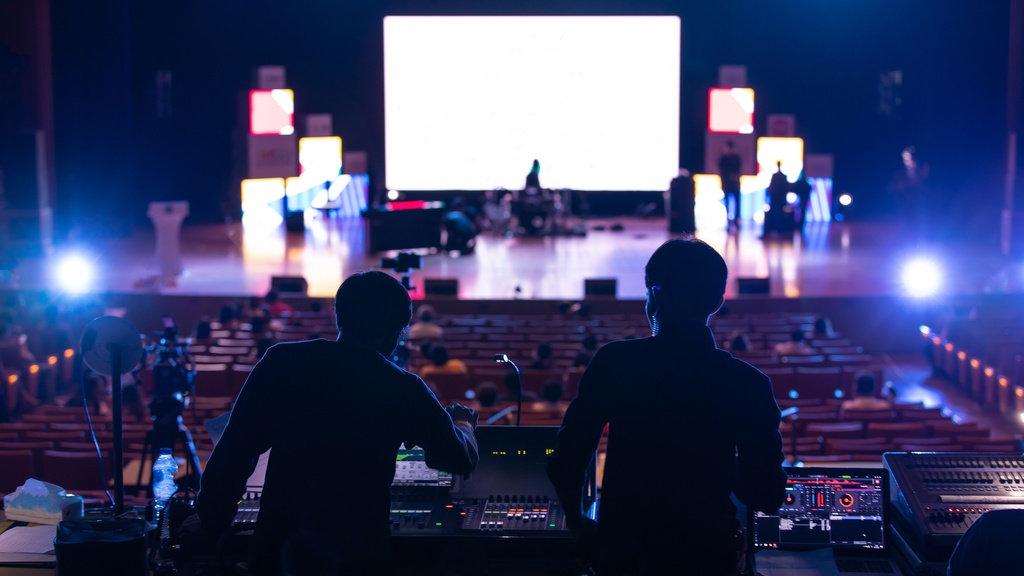
Even when live events seem to be flowing well from the audience’s standpoint, there could be a myriad of smaller problems fighting for attention backstage. If problems get out of hand, they can slow the room down fast, especially when nobody has time to trace where it started.
However, most show-day surprises don’t come from one dramatic failure. They typically stem from simple processes that no one reviewed before the event began. To ensure this doesn’t happen at your next live event, you need to know the best ways to prevent show-day surprises, which we cover in detail right here.
Start With the Room Before You Start With the Gear
Every venue shapes the event long before a single cable hits the floor. A room with low ceilings can change the way sound behaves, while a space near large windows may create glare once the light shifts. They may seem insignificant, but those details matter because even strong equipment can struggle when the room works against it.
That’s why planning should start with the space itself. The event team needs to understand how the room will feel once people fill it and the program begins. That knowledge should guide the stage layout before anyone gets too attached to a gear plan.
It’s easy to focus on equipment because gear feels concrete. However, it’s the room that decides whether that equipment can actually do its job. A strong production plan adapts to the space instead of assuming the space will cooperate.
Build the Timeline Around Real Setup Needs
A clean event timeline should do more than name the start time. It should show how the crew gets from an empty room to a working event without rushing through the moments that protect the show. Setup time only works when it reflects the real pace of production.
For example, the load-in process deserves more attention than it often gets. Crews need enough time to build the system carefully before troubleshooting starts to eat into the schedule. If the timeline treats setup like a quick errand, the event starts with avoidable pressure before guests even arrive.
The same goes for rehearsals. A run-through gives speakers a chance to feel the room before they face an audience. It also gives the production team the chance to catch problems while there’s still time to solve them calmly.
Unexpected venue changes can affect the timeline more than people expect. A plan that works in a hotel ballroom may not fit a waterfront space with tighter access or a different room layout. The production schedule should reflect the building in front of the team, not the one from the last event.
Make the Site Visit Specific
A site visit can prevent plenty of show-day stress, but only when the team treats it as a working session. Walking through the venue and saying it “looks good” doesn’t reveal enough. The visit should answer practical questions that affect the event from the first sound check to the final cue.
This is why teams need to learn the specifics of what to check for during an AV site visit before show day. Be sure to check power access, as this can shape the entire setup. Using the wrong outlet plan forces the crew to solve basic problems under deadline pressure. Internet reliability also deserves early attention when the program depends on cloud-based files or streaming elements.
Sightlines need more than a quick glance from the back of the room. A screen that looks fine in an empty space can become hard to see once guests take their seats and the room fills in. The team should judge the stage based on where people will actually sit.
Sound should get the same level of attention. A polished venue can still create audio problems once microphones go live and voices start bouncing through the room. The crew can prepare more effectively when they understand how the space reacts long before the day of the show.
Keep the Content Under Control
Presentations are known to cause a variety of surprises due to the fact that content often changes right up to the last possible minute. In many cases, a speaker will send a revised deck after the team has already tested the original file. That kind of change seems small until something unexpected goes wrong during the big presentation.
The fix isn’t to make content rules feel rigid; it’s to create a clearer path for updates. The event team should know who can approve a new file and when the final version must arrive.
Outside of that, general file testing matters more than people expect. A slide deck can behave perfectly on one computer and look completely different on another. Testing content on the actual playback setup removes a major source of guesswork before the room fills.
Good content control is also necessary as it protects the speaker’s experience. When presenters know how their materials will appear, they can focus more on delivery rather than worrying about the screen behind them. That kind of confidence translates well to receptive audiences.
Plan for People as Much as Equipment
While live events depend on technology, people are still the thing that moves the show forward. A clear communication plan keeps the production team from relying on shouted updates or last-second hallway decisions. Everyone involved should understand how information moves when the program is live.
Cueing needs special attention because timing can make or break the flow of a session. The person advancing slides should know who gives the signal, and the audio tech should know when a microphone needs to go live. Clear responsibility helps the team solve problems without pulling attention away from the stage.
Speaker prep can make a major difference here. Presenters need to know how the microphone will work and where they should stand when they begin. A quick pre-show conversation can prevent awkward moments that feel much bigger in front of an audience.
While maybe not as important, guest flow can still affect the production plan. If registration runs late or the room fills more slowly than expected, the show team needs that information before it affects the program. Strong events keep communication moving between the stage team and the people managing the front of the room.
Prepare for Changes Without Letting Them Take Over
No plan removes every surprise, but a solid one leaves room for quick adjustments that are needed to prevent most show-day surprises at a live event. Whether a speaker gets delayed or an agenda change shifts the pace of the room, your plan should be ready for these kinds of surprises. The goal isn’t to control every possible variable; it’s to make changes easier to manage when they happen.
A flexible run of show helps the team adjust without losing control of the event. The schedule should identify the moments that truly anchor the program so the crew knows what can move and what needs to stay locked. That kind of clarity keeps small changes from spreading into larger confusion.
Backup plans should stay practical. A spare microphone helps only if someone can switch it in quickly. A backup laptop helps only if the right presentation already lives on it. Preparedness works when the backup option feels ready instead of theoretical.
Good event teams don’t panic when something changes because they’ve already built space for the unexpected. They understand which details protect the show and which ones can shift without much damage. That difference keeps the day steady when the event starts acting like a live production.