Creating a Safe Sleep Environment for Growing Kids
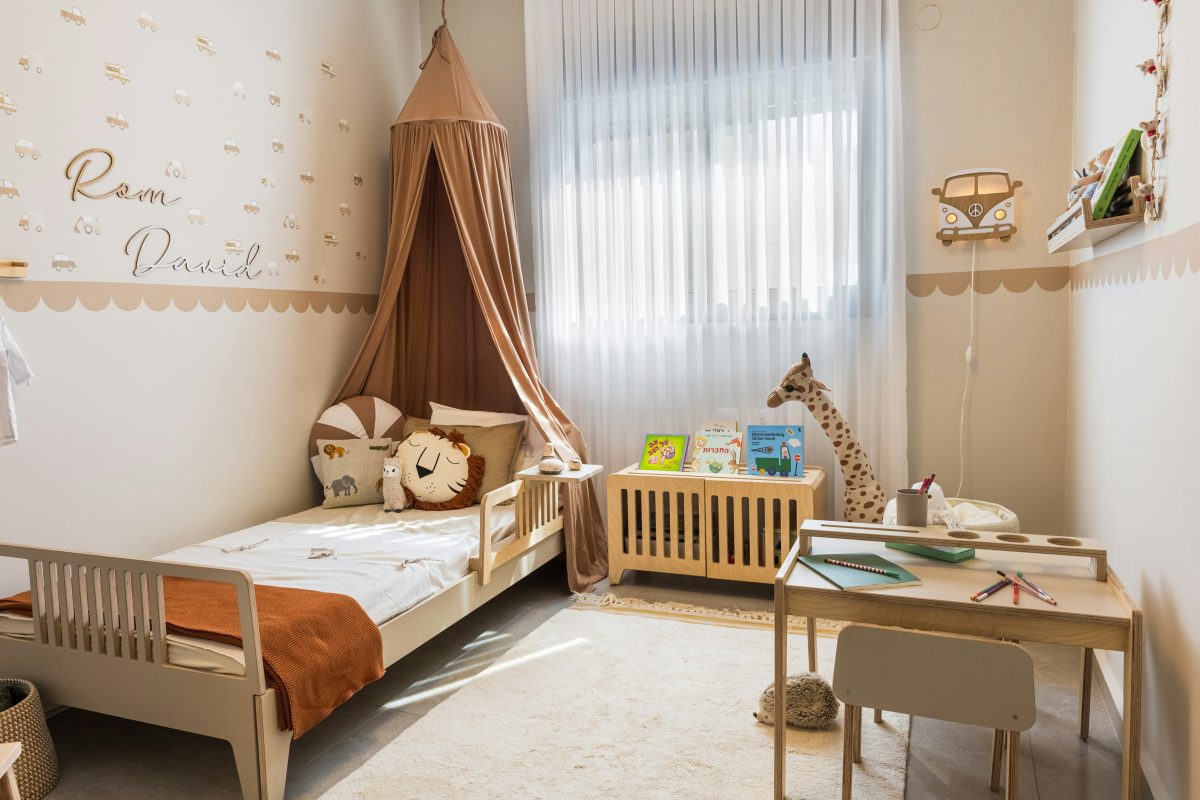
As a parent, you work hard to create a safe and nurturing environment for your children. This focus on safety naturally extends to their bedroom, the place where they spend a significant portion of their unsupervised time. From the moment you bring your baby home to the day they’re choosing their own comforter, ensuring their sleep space is secure is a top priority. As children grow, their needs change, and their sleep environment must adapt along with them. While ensuring a safe sleep space is paramount for infants, as detailed in this guide to creating a safe sleep environment, toddlers and older children require different considerations for their evolving sleep habits.
This guide will walk you through the key considerations for creating a safe sleep environment for your kids at every stage, from infancy through childhood. Understanding these evolving needs is crucial for parents, as establishing a secure and comfortable sleep space directly impacts a child’s development and overall well-being, as detailed in this safe sleep guide.
Understanding Sleep Safety for Children
For new parents, sleep safety is often synonymous with preventing Sudden Unexpected Infant Death (SUID). The foundational guidelines, placing a baby alone, on their back, and in a crib, are critical. Experts advise parents on how to best care for babies to sleep safely by creating a hazard-free sleep area. This means a firm mattress with a fitted sheet and nothing else, no blankets, pillows, bumpers, or soft toys.
However, sleep safety doesn’t end when your child graduates from their crib. As they become mobile toddlers and curious kids, new challenges emerge. The focus shifts from preventing suffocation risks in an infant’s crib to preventing falls from a “big kid” bed, ensuring furniture is secure, and addressing other potential room hazards. Understanding that sleep safety is an evolving process is the first step toward keeping your child secure through all their developmental milestones.
Key Elements of a Secure Sleep Space
A secure sleep space starts with the basics, and these elements are the building blocks for a safe night’s rest. For infants, the rules are strict and clear. The American Academy of Pediatrics emphasizes a Spartan sleep environment to minimize risks. This involves using a firm, flat mattress designed for the specific crib or bassinet, covered with only a fitted sheet.
When creating safe sleep spaces, avoid any soft bedding, including pillows, quilts, comforters, and crib bumpers, as these can pose suffocation hazards. Instead of a loose blanket, opt for a wearable blanket or a sleep sack to keep your baby warm. It’s also wise to keep the room at a comfortable temperature to avoid overheating. As your child grows into a toddler, you can introduce a small, thin pillow and a lightweight blanket, but the principle of keeping the bed relatively clear of clutter remains a good practice. The goal is to ensure nothing can obstruct their breathing or cause them to become entangled while they sleep.
Choosing the Right Bed for Each Stage
The transition from a crib to a bed is a major milestone for both parents and children. Knowing when to make the switch is key; it’s often prompted by your child learning to climb out of the crib, or when they reach about 35 inches in height. At this point, you’re faced with a common parenting dilemma: the toddler bed vs twin bed debate. A toddler bed uses the same crib-sized mattress and sits low to the ground, offering a gentle transition. It feels familiar, and its small size can make a child feel more secure. However, kids often outgrow them within a couple of years.
A twin bed is a long-term investment. While it can feel very large to a small child, you can ease the transition by using guardrails to prevent falls and placing the mattress directly on the floor initially before moving it onto a frame. Whichever you choose, ensure the bed is placed away from windows and dangling blind cords. As kids get older and might share a room, bunk beds become an option. Safety guidelines recommend that children under six years old should not use the top bunk and that all top bunks should have guardrails on all four sides.
Beyond the Bed: Room Safety Tips
A safe sleep environment extends beyond the four corners of the mattress. As your child becomes more independent and mobile, it’s crucial to childproof the entire bedroom. One of the most significant and often overlooked dangers is furniture tip-overs. Heavy items like dressers, bookcases, and TVs can be a serious hazard if a child tries to climb them. Always use anti-tip kits to securely anchor these items to the wall.
Windows also require attention. Install window guards or stops that prevent windows from opening more than a few inches. If your windows have blinds with cords, replace them with cordless versions or use cord safety wraps to keep them out of reach. Look around the room for other potential issues:
- Use outlet covers on all unused electrical sockets.
- Tidy up cords from lamps, baby monitors, and sound machines so they don’t become a tripping or entanglement hazard.
- Ensure toy chests have lid supports that prevent them from slamming shut.
- Regularly scan the floor for small toys or objects that could pose a choking risk.
Maintaining a Consistent Sleep Routine
Safety isn’t just about physical objects; it’s also about creating a sense of emotional security. A predictable and calming bedtime routine is a powerful tool for helping your child feel safe and ready for sleep. When children know what to expect each night, it reduces anxiety and can prevent bedtime battles or middle-of-the-night wakeups that might lead them to wander out of their room.
A typical routine might include a warm bath, putting on pajamas, brushing teeth, and reading a couple of books together. Keep the activities quiet and the lights dim in the hour leading up to bedtime. This signals to their body that it’s time to wind down. A dim nightlight can provide comfort if they’re afraid of the dark, helping them see their surroundings if they wake up without disrupting their sleep cycles. This consistent ritual reinforces the idea that their room is a peaceful haven, making it easier for them to fall asleep and stay asleep securely in their own bed.
Creating a safe sleep environment is an act of love that evolves as your child grows. Staying informed and proactive helps you ensure their bedroom remains a true sanctuary for rest and rejuvenation at every age.